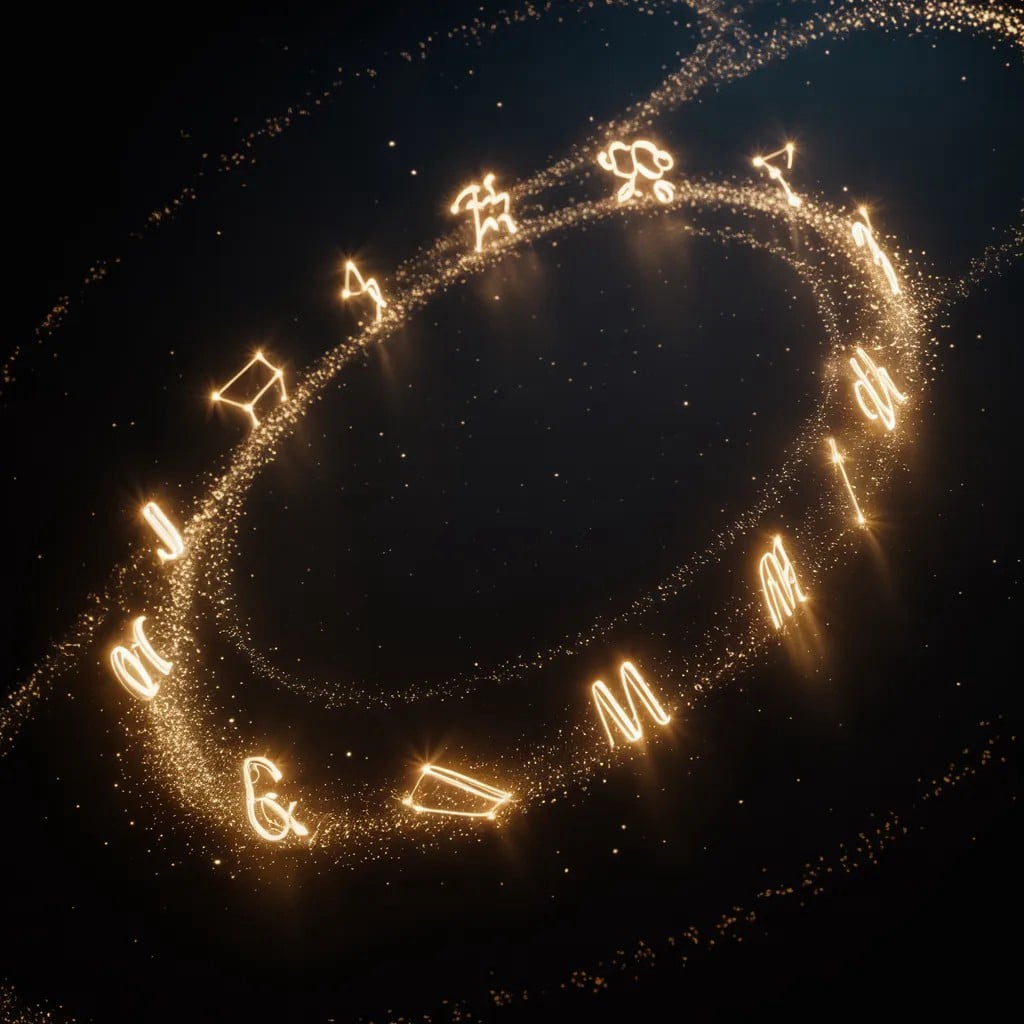
During the Hellenistic period, astrological texts became more systematic in structure. Core elements such as zodiac concepts, planetary symbols, and house systems became more clearly defined during this time. The growth of written sources made it possible for ideas to spread across different regions. As a result, astrological expression developed a more organized terminology.
Throughout the Middle Ages, astrological texts were reinterpreted in various languages. Translation movements in the Islamic world and Europe supported the transfer and restructuring of these texts. In this way, astrological concepts became part of a broader cross-cultural field of knowledge.
In the modern era, astrology is more often approached as a cultural and symbolic form of expression. Contemporary materials such as 2026 horoscope content and similar texts often reflect updated interpretations of traditional narrative patterns. These texts explain symbols with historical roots using simpler and more accessible language.
Today, astrology is often presented across different platforms in the form of informational content. These texts usually follow a framework that defines broad themes without giving individualized direction. In this way, astrological writing is presented as a cultural mode of expression.
The historical development of astrology spans a long path from oral tradition to written texts and, today, to digital platforms. Throughout this process, core symbols and concepts were preserved, even as styles of expression changed. Modern content reflects a simplified presentation of this historical tradition.
The content on AstroLumen is prepared with this historical framework in mind. Materials related to 2026 horoscope insights and Tarot 2026 present inherited symbols in clear and explanatory language. The aim is to introduce the historical background of astrology in an informative and balanced way.
The historical development of astrology has never been limited to a single culture. In different regions, observations of the sky were treated as important, although interpretation methods varied depending on cultural context. Chinese, Indian, and Middle Eastern traditions, for example, described celestial movement through different symbolic systems. This diversity shows that astrology has historically had a layered and multi-cultural structure.
Each culture developed its own calendar system, understanding of time, and symbolic language. These differences also shaped the style of written texts. Today, published content often offers a simplified and comparable summary of this historical diversity, making the cross-cultural dimension of astrological writing easier to understand.